Your complete guide to visa-free travel to China — and how to plan an unforgettable Tibet travel experience
If you have been dreaming about Tibet travel but assumed the paperwork would be a nightmare, here is some genuinely good news. As of 2024, China has extended its visa-free entry policy to include Canadian and British passport holders, opening the door to one of the most extraordinary destinations on the planet. Whether you are planning a Tibet trek across high-altitude mountain passes, a spiritual journey to ancient monasteries, or simply want to stand on the roof of the world and breathe in that thin, electric air — the path to getting there just got a whole lot easier.
That said, travelling to Tibet is never quite as simple as just hopping on a plane. There are layers to it — beautiful, fascinating layers — that require a bit of planning. This guide walks you through the China visa situation for Canadians and British nationals, explains exactly what the Tibet travel permit is and why you need it, and gives you a real sense of what a trip to Tibet actually looks and feels like.
Let us get into it.
The China Visa Situation: What Canadian and British Citizens Need to Know
China introduced a visa-free policy for citizens of several countries as part of a broader effort to boost tourism and international exchange. For Canadian and British passport holders, this means you can enter mainland China without a pre-arranged China visa for stays of up to 144 hours (6 days) under the transit exemption, or up to 15 days under the broader visa-free arrangement, depending on your point of entry and travel circumstances.
This is a significant shift from the previous situation, where obtaining a China visa was a mandatory step that involved embassy appointments, documentation, and waiting times. Now, Canadians and Brits can land in major Chinese gateway cities — Beijing, Shanghai, Chengdu, Guangzhou, and others — and begin exploring without the visa hurdle.
However — and this is important — the visa-free arrangement covers entry into mainland China. It does not automatically grant you access to Tibet. Tibet is a separate administrative region with its own entry requirements, and this is where the Tibet travel permit comes in.
Understanding the Tibet Travel Permit: The Gateway to the Roof of the World
No matter where you are from, every foreign visitor who wants to travel to Tibet must obtain a Tibet Travel Permit — officially called the Tibet Tourism Bureau (TTB) permit. This is non-negotiable. You cannot purchase a train ticket to Lhasa, board a flight into Tibet, or pass through any of the entry checkpoints without this document in hand.
The Tibet travel permit is issued by the Tibet Tourism Bureau and can only be obtained through a licensed Tibetan travel agency. You cannot apply for it independently or walk into an office and request one. This is by design — the Chinese and Tibetan authorities require all foreign tourists to be part of an organised tour with a registered guide and itinerary.
Here is what the process typically looks like:
1. Book your Tibet trip through a licensed Tibetan tour operator (such as Tibet Shambhala Adventure, based in Lhasa).
2. Provide your passport details, travel dates, and a scanned copy of your passport to the agency.
3. Your travel agency submits the permit application on your behalf.
4. Processing typically takes 10–15 working days.
5. Your permit is sent to you — or held for collection at your entry point — before your trip begins.
One important note for Canadian and British travellers taking advantage of the visa-free arrangement: your Tibet travel permit application will still require a valid passport. Make sure your passport has at least six months of validity remaining from your intended entry date into Tibet.
Beyond the Basic Permit: Additional Permits for Remote Tibet Travel
If your Tibet trip involves venturing beyond Lhasa and the central regions, you will likely need additional permits on top of the standard Tibet travel permit. This is actually one of the things that makes travel to Tibet genuinely unique — the permitting system reflects the sensitivity of certain areas, and navigating it properly is part of the adventure.
Alien Travel Permit (PSB Permit)
Required for travel outside Lhasa to certain restricted areas. This is issued by the Public Security Bureau (PSB) and is needed for popular destinations like Shigatse, Gyantse, and areas along the road to Nepal.
Military Permit
Required for areas close to military zones or border regions, including parts of western Tibet and the route toward Mount Kailash. If you are planning a Tibet trek to Kailash — one of the most sacred and remote trekking experiences in the world — this permit is essential.
Frontier Pass
Needed if you are travelling close to Tibet’s international borders, such as near Nepal, India, or Bhutan. Your licensed tour operator will handle all of these permits as part of your Tibet trip planning.
What to Actually Expect on a Trip to Tibet
There is a moment — usually somewhere between landing at Lhasa Gonggar Airport and stepping outside to see that endless blue sky pressing down on a city of golden rooftops and fluttering prayer flags — when it hits you that you are somewhere completely unlike anywhere else on Earth.
Tibet sits at an average elevation of 4,500 metres above sea level. The air is thinner, the light is sharper, and everything from the food to the architecture to the way people go about their days feels entirely its own. A Tibet trip is not just a holiday. It is an experience that tends to stay with people for the rest of their lives.
Lhasa: Where Every Tibet Tour Begins
Most Tibet travel itineraries start in Lhasa, the capital city and spiritual heart of the Tibetan world. The Potala Palace alone — that impossibly grand 17th-century fortress rising 13 storeys above the city — is worth the journey. Add to that the Jokhang Temple, the Barkhor market, and the labyrinthine alleys of the old quarter, and you could spend days in Lhasa alone without exhausting its wonders.
Trekking to Tibet’s Most Sacred Sites
For those drawn to the physical challenge and spiritual depth of Tibet trekking, few experiences compare. The Mount Kailash Kora — a 52-kilometre circuit around one of Hinduism, Buddhism, Bon, and Jainism’s most sacred peaks — takes three days to complete and reaches a maximum altitude of 5,630 metres at the Dolma La pass. Thousands of pilgrims complete this trek each year, many prostrating the entire way. As a foreign visitor, walking this route is a genuine privilege.
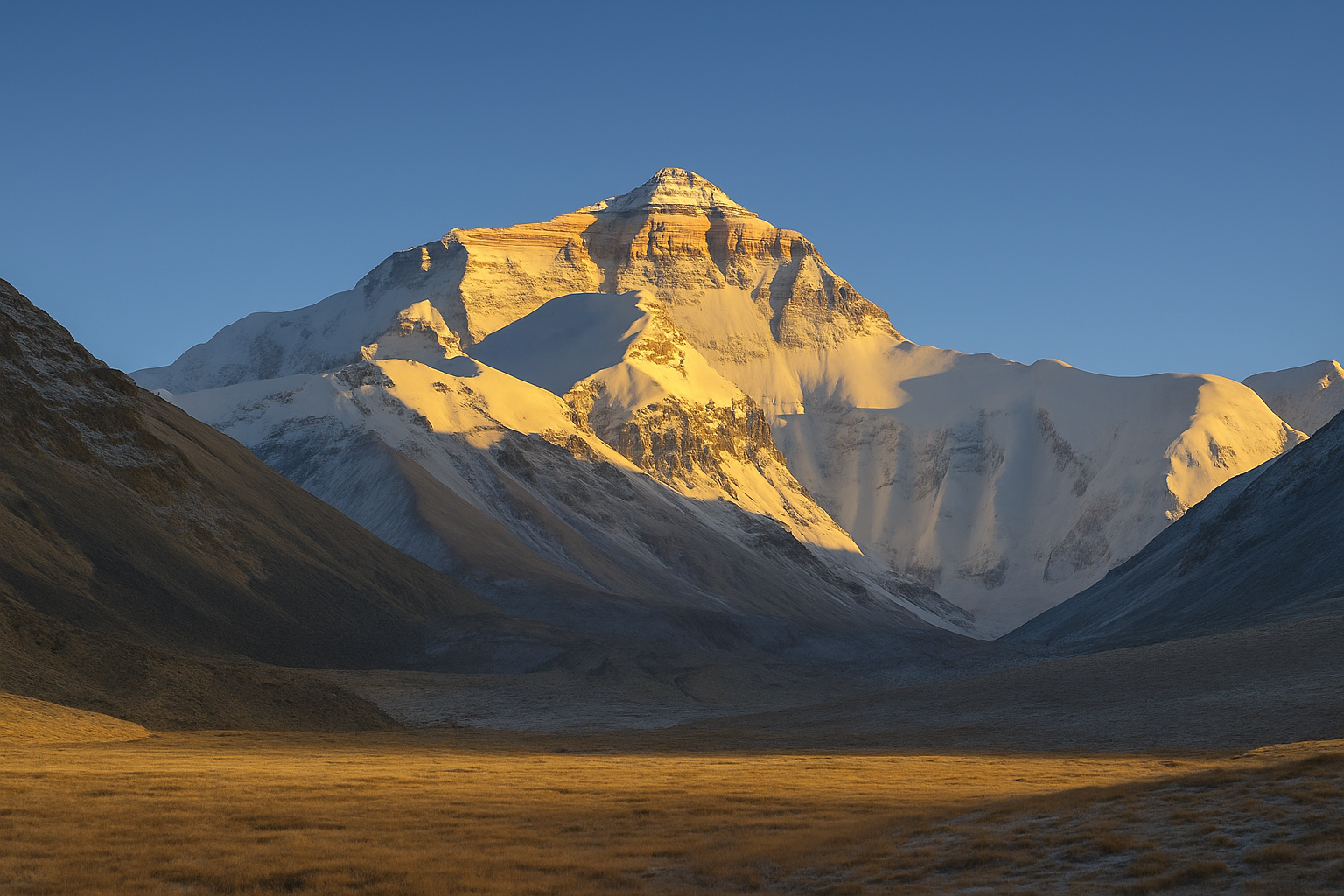
Other popular Tibet trek routes include the Ganden to Samye trek, a stunning multi-day hike through high mountain passes and remote valleys connecting two of Tibet’s most important monasteries. There is also the Everest Base Camp trek on the Tibetan side — a very different experience from the Nepal approach, with fewer crowds, a higher base camp, and jaw-dropping views across the Rongbuk Glacier.
Motorbike and Overland Adventures
For travellers seeking something more free-spirited, a motorbike Tibet trip along the Friendship Highway from Lhasa to Kathmandu is the stuff of legend. The route winds through high-altitude passes, past turquoise lakes and ancient forts, through towns where yaks still outnumber cars. This is not a journey for those seeking comfort — but it is absolutely one for those seeking stories.
Best Time to Plan Your Tibet Tour
Tibet is accessible year-round, but the prime travel season runs from April through October. During these months the weather is relatively mild, the roads are passable, and Tibet travel permits are more readily issued. The summer months of June through August bring some rain — particularly in the eastern and southeastern regions — but also lush green landscapes that contrast beautifully with the rocky plateau.
Spring (April to May) and autumn (September to October) are arguably the sweet spots for Tibet travel. The skies are clear, temperatures are comfortable, and the light is extraordinary for photography. If you are planning a Tibet trek — especially to Kailash or Everest Base Camp — these windows give you the best combination of stable weather and manageable trail conditions.
Winter travel is possible but requires more preparation. Tibet’s winters are cold and dry, some roads close, and permit availability can be limited. That said, for travellers who want to experience Lhasa and central Tibet without the tour groups, winter has a quiet, contemplative quality that many find deeply rewarding.
Altitude, Acclimatisation, and Staying Safe on Your Tibet Trip
Altitude sickness is the single most important practical consideration for any Tibet tour. At elevations above 3,500 metres, the body needs time to adjust to lower oxygen levels. Symptoms of acute mountain sickness (AMS) can range from mild headaches and fatigue to more serious conditions that require immediate descent.
Here is the honest truth: no one is immune to altitude sickness, regardless of how fit they are. The best thing you can do is plan a gradual ascent, rest properly on your first day or two in Lhasa, stay well hydrated, avoid alcohol initially, and listen to your body. Many travellers take Diamox (acetazolamide) as a preventative measure — speak to your doctor about this before your Tibet trip.
A good Tibetan tour operator will build acclimatisation days into your itinerary and will have guides experienced in recognising and responding to altitude-related issues. This is one of the many reasons why travelling with a licensed, experienced company — rather than trying to navigate Tibet independently — genuinely matters.
Why Choose a Tibetan-Owned Tour Operator for Your Tibet Travel
When it comes to planning your Tibet tour, the operator you choose makes an enormous difference to your experience. Tibet Shambhala Adventure is a Tibetan-owned travel company based in Lhasa, with over 25 years of experience crafting authentic Tibet journeys for travellers from around the world.
Being Tibetan-owned means something. It means your guides are not just professionally trained — they grew up here. They know the monasteries because they have prayed in them. They know the trekking routes because they have walked them since childhood. They know the families in the villages along the way. That depth of local knowledge and genuine cultural connection translates directly into a richer, more meaningful experience for every traveller.
From helping you navigate the Tibet travel permit process to crafting bespoke itineraries that balance sightseeing with proper acclimatisation, Tibet Shambhala Adventure handles every detail so you can focus on the experience itself. Whether you are drawn to cultural immersion, trekking to Tibet’s great peaks, motorbike adventures, or a quieter journey through the monastery circuit — they have the expertise to make it happen.
Practical Planning Tips for Canadian and British Travellers
To pull everything together, here is a practical checklist for Canadian and British citizens planning a trip to Tibet:
Passport validity: Ensure your passport is valid for at least six months beyond your planned entry date into China.
Visa-free entry: Confirm the current visa-free arrangement for your nationality at the Chinese embassy or consulate website before travelling, as policies can change.
Book your Tibet tour early: Tibet travel permits take time to process. Aim to book at least three to four weeks before your intended departure date, and further in advance during peak season.
Travel insurance: Get comprehensive travel insurance that explicitly covers high-altitude trekking and medical evacuation. Standard policies often exclude this.
Pack for the altitude: Layering is essential. Tibet’s weather can shift dramatically within a single day, even in summer.
Respect local customs: Tibet is a deeply spiritual place. Dress modestly at religious sites, walk clockwise around monasteries and stupas, and always ask permission before photographing people.
Final Thoughts: There Has Never Been a Better Time for a Tibet Trip
The visa-free arrangement for Canadian and British citizens removes one of the traditional barriers to China travel, and by extension, makes the dream of a Tibet tour more accessible than it has ever been. Yes, the Tibet travel permit is still required. Yes, it needs to be arranged through a licensed operator. But these are not obstacles — they are simply part of the process, and a good tour operator makes that process seamless.
What awaits on the other side is extraordinary. The chance to walk the Barkhor circuit at dawn, to stand at the foot of Mount Everest on the Tibetan plateau, to complete a Tibet trek through country that feels genuinely untouched, to sit in a monastery courtyard as the sound of horns and chanting fills the thin mountain air — these are not things you forget.
If you have been putting off your Tibet trip, consider this your sign to finally make it happen.
Tibet Shambhala Adventure | Lhasa, Tibet | 25+ Years Crafting Authentic Tibet Journeys