Tibet Travel News

Tibet Travel News

Namtso lake tour in Tibet

featured image

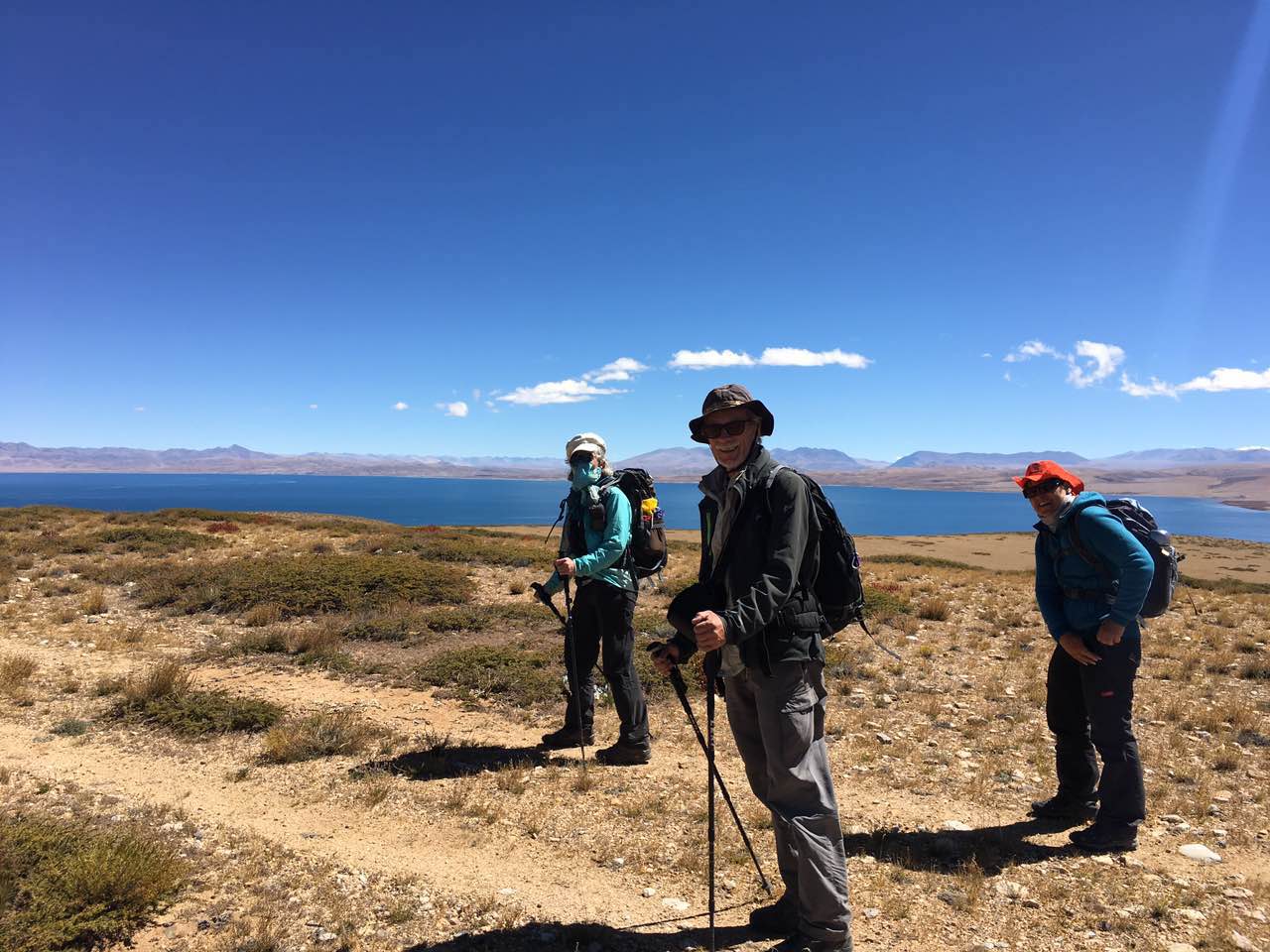
Because of global warming and climate changes, Tibet also had lots of rain this summer and Tibet has earlier snow fall and the weather becomes colder than usual so this year, we get earlier snow fall around Namtso lake and other northern plateau of Tibet which gives lots of work and extra services to the travel agents since the tourists could not take Namtso lake tour as it was planed.

Because of an earlier and very heavy snow fall in the beginning of October during Chinese national holiday around Damxiong county where Namtso lake is. It is not possible to have Namtso lake tour for almost two weeks from National holiday. Thousands of tourists have waited at the entry gate and in Damxiong county for a few days in order to get a chance to take Namtso lake tour but because of continuous heavy snow fall around northern plateau of Tibet, the road from Damxiong county to Namtso lake at the distance of 60km has completely been closed since the road was completely blocked by heavy snow and it has been frozen and iced on the road.

The traffic office in Damxiong county officially closed the road to Namtso lake since beginning of Oct and it has still been remained closed so there is no chance to visit Namtsok lake at the moment. When you have this kind of disaster, it is very important to have a very strong and responsible local Tibetan travel agent based in Lhasa like Tibet Shambhala Adventure. Tibet Shambhala Adventure is the right Tibet travel agent who can change your program for another destination even if it is difficult to manage with permits. Tibet Shambhala Adventure changed programs for many groups from Namtso lake to Tsetang and Samye by adding those places in the permits which is not easy to do do. If the snow fall did not continue around the Namtso lake, then there will be chance to open the road to Namtso lake and start your Namtso lake tour again.

When you have this

The Shoton Festival in Tibet 2018

featured image

The Shoton Festival is one of the most revered and anticipated events in Tibet that attracts the attention of thousands of tourists that plan their trip to attend this festival every year. The festival is one of the most eminent features of the Tibetan culture and is rooted deep in the traditions and history. The name of the festival stems from the Tibetan word ‘shoton’ which means yogurt – which is why it is also called the Yogurt Festival.
The History
The history of the Shoton Festival dates all the way back to the 16th century and even before that when it was practiced as an annual religious custom. Tsongkhapa master, the Buddhist saint had initiated a spiritual practice for monks to indulge themselves in secluded meditation in monasteries between May and June according to the Tibetan lunar calendar which is the middle of the summer in Tibet and referring to the western calendar, it is the July and Aug usually. The Gelukpa monasteries made this kind of monastery rule is because during the middle of the summer, there is full of small insects and worms on the grassland which are very difficult to see when you walk over.
The purpose was to avoid walking on the grassland where there is insect and worms which can be killed by your step on it, instead, in order to get rid of all other sins, pray and repent for their ill-doings. The discourse of meditation spanned several weeks, and when it was over, the monks would come out of seclusion, and local Tibetans would serve them yogurt and perform traditional Tibetan opera.
When is it celebrated
The Shoton Festival is celebrated in midsummers, on July 1st of Tibetan lunar calendar – which is why the date changes every year on the solar calendar. This year, the Shoton festival started on 11th August and end on August 18th, 2018.
Highlights of the Festival
The inclusion of a number of rituals, customs, and practices, over the course of time has made the shoton festival a lot more interesting and exciting. The preparations start weeks ahead of the festival, and as the date draws near, flocks of tourists start landing in Tibet from across the world.
The festival begins with a massive gathering of thousands of Tibetans gathered donned in ethnic Tibetan attires, all around the Drepung and Sera monasteries. Lamas and monks holding the giant Jampa Thangka, Matreya, the future Buddha or the Thangka of Buddha Shakyamuni, display on the western hill of Drepung monastery and as the sun rises from behind the hills, the loud sound of sutra bugle start echoing in the valley. The giant Jampa thangka is hung at the Drepung and Sera monastery, and this marks the official start of the festival.
The festivities continue for days, and hundreds of Tibetans take participate in it religiously every year. Regardless of whether you are a kid or an adult, a Tibetan or a tourist – there are a variety of activities for everyone.
The main highlights of the Shoton festival every year include Tibetan opera performance at Norbulingka Palace, an excellent display of stunts by skilled equestrians, yak racing, and other traditional sports. The itinerary of the festival also includes the ritual of Sangsa, in which Tuja leaves, butter, and Tsampa are burned together to get rid of evil, and the mob throws white Khada on the giant Thangka to catch blessings.
Nowadays, the Shoton festival goes on a week period of time and during this period of time, all the government officials are on holiday and not only thousands of tourists come from different places in the world, but also thousands of thousands Tibetans also come from different regions and they come to watch Tibetan opera in Norbu Lingka and Lukhang garden which is behind the Potala Palace. There is different Tibetan opera every year which is held by different Tibetan opera players from different regions in Tibet.
Facilities for tourists
The Shoton Festival takes place in pleasantly mild weather and is a good option for people looking to spend their summer holidays exploring ancient cultures and traditions. The government, tour operators as well as the local Tibetans make special arrangements to facilitate the tourists and make them feel at home and have more authentic experience of Tibetan culture. However, since there is a high influx of tourists in Tibet during the season, you may get difficult to find hotels and other arrangement of your trip if you don’t book in advance. Therefore, it is suggested that you reserve your trip to Tibet in advance through a reliable local Tibetan tour agency to make bookings on your behalf.

Tibet has had the heaviest rain fall ever since

featured image

Tibet had the heaviest rain fall ever since
In the end of July and beginning of Aug this year, Tibet has had a very heavy rain fall and many areas did have some landslides which give inconvenience for the passengers during their holiday in Tibet.

According to the older generations of the Tibetan local people, they say that it is the year we got the biggest and heaviest rain fall in Tibet ever since. In the one hand, it is good for the nomads and farmers in some dried places but in the other hand, it gives little bit inconvenience to the people and travelers who are having holiday in Tibet but the good thing is that in most of the places, it rains during the night time and day time is again sunny and clear blue sky as usual so it does not effect to your daily program.

According to Tibet Shambhala Adventure’s tour guide today, while some of our team members are on the way to Hilsa or known as Taklakot ( {Purang in Tibetan } which is the closest border to Mount Kailash between Nepal and China Tibet. Our team members are going to receive our German and Swiss groups, coming from West Nepal to Mount Kailash and on the way by around 5.30 Pm today, there was a landslide in Baryang town which is between Saga and Mansarovar. However since the net and phone service is far much better than before and nowadays, there is mobile service in almost every region of Tibet including the western part of Tibet. Besides, the Tibet Autonomous Region establishes strong road worker’s stations in every 10-20km distance so when there is this kind of landslides, they immediately come to clear the road so even if there is a landslide, you don’t have to wait for days to be cleared the road as it used to be before.

According to our team in Baryang where there was landslides, the local government road workers said that they will be clearing the road by around 5.00. Am tomorrow morning so it does not effect to our groups pick up in Taklakot tomorrow and for the others who are having holiday in Tibet or traveling to Mount Kailash, this does not effect to their daily program. They can spend a night in Baryang as there are plenty of accommodations including good clean hotels and guest houses as well as some small family lodges. The early next day, you can start your journey.

According to another source of our team members ( Tibet Shambhala Adventure’s group and team members), today while they are on the way to Kyirong border in the western part of Tibet which is a newly opened border between Nepal and China Tibet after the bad earth quake in Nepal. There is again another landslide between Kyirong town and Kyirong county which has just 30Km distance because of a heavy rain fall but again the government road workers in Kyirong sent people to clear the road immediately and all the passengers could travel like usual after waiting around one hour. Our French and Spanish groups who have just finished their holiday in Tibet are also very happy since they did not have to wait for a long time there and we have three other groups who have just started their holiday in Tibet from Kyirong border today and head towards Everest base camp were also very happy with the experience of such kind of adventure holiday in Tibet. To have more information about holiday in Tibet, please visit Tibet Shambhala Adventure.

Traveling to Tibet is not as difficult as before

featured image

Great Tibet Travel News-Traveling to Tibet is not as difficult as before
According to Tibet Daily News, the Tibet Autonomous Region officially announced that they have confirmed to build three more airports in Tibet that are; An airport in Old Tingri of Shigatse prefecture, an airport in Purang county or known as Taklakot of Ngari prefecture and another airport is in Lhuntse county of Tsetang prefecture of Tibet Autonomous Region. They are going to start the construction of those airports soon and their target is to have those airports finished in 2021.
Tibet Autonomous Region is also expending Lhasa Gongkar airport to it’s triple bigger and the new expended part of the Lhasa Gongkar Airport is planed to be finished in 2022 and planed Tibet to be opened to have more international connection to more Asian countries including Thaliand, Malayasia, Singapore etc.
Sofar, there are airports in Nyingtri, Chamdo, Ngari and Lhasa and there are trains from the cities in mainland China like Shanghai to Lhasa, Beijing to Lhasa, Chengdu to Lhasa, Guangzhou to Lhasa, Chongqing to Lhasa, Lanzhou to Lhasa and Xining to Lhasa so on so traveling to Tibet is getting easier than before and there is also a tourist train from Lhasa to Shigatse, the second largest city of Tibet and the train from Lhasa to Nyingtri via Tsetang is also under construction and it is planed to be finished in around 2020 and there is a plan to build a train from Shigatse to Kathmandu in the near future so traveling to Tibet is not as difficult as before.
The road condition to every corner of Tibet is also far more better than before and most part of the travel destination in Tibet has paved road including to the Everest base camp. You can easily access to Tibet Everest Base Camp from Lhasa within two days or from Kathmandu Nepal. Tibet Shambhala Adventure organizes a unique and small group of Everest base camp Adventure tour.

2018 latest Tibet Travel Permit Information

featured image

How to apply Tibet travel permit in 2018?

Tibet travel Permit is a single entry permit for traveling to Tibet that is required for all the foreigners to visit Tibet. In general, there are two different types of Tibet travel permits, one is Tibet travel permit to the non-restricted areas such as Lhasa, Namtso lake, Samye monastery, Tsetang, Gyantse, Shigatse, Mount Everest and all the way to Kyirong border which takes 15 days to complete all the process.

Another Tibet travel permit is to the restricted areas such as Mount Kailash, Guge Kingdom, Kartha valley, Nyingtri, the eastern forest region of Tibet, Yunnan to Lhasa overland tour or Sichuna to Lhasa overland tour which takes around 20-25 days complete all the process of the Tibet travel permits. These two permits should be applied before your arrival to Tibet and you need to board the flight to Tibet with the original Tibet permits when you come from mainland China.

Once you are in Tibet, you need to have another permits if you are traveling outside of Lhasa which is called Aliens permits or PSB (People’s Security Bureau). This permit can be only made with your original passports and Tibet travel permits. Your guide will take responsibility of getting this permit.


Who needs the Tibet travel permit?

All the international tourists who are non-Chinese citizens and Chinese who are holding other countries passports. Macau and Hong Kong residents don’t need a travel permit; they need only a Home Return Permit.


The procedure to get Tibet Travel Permit

2018 Latest Tibet travel permit application is that you can apply for Tibet travel permit from 1-3 months ahead before your Tibet tour is started. What you need to do is to send a valid scanned copy of your Chinese visa and passport to the travel agency. If you are a foreigner, working or studying in China, you would need to provide a proof of employment or the admission certificate from your school or company that you are working for.

According to the latest policy of Tibet Tourism Bureau, the traveler cannot apply for Tibet Permit on his own. He or she needs to book the trip through local travel agency who has authorization to apply for the permit. The travel agency will Sort out the main itineraries and hotels in Tibet for your trip and will arrange a package tour including guide and transportation and apply for the permit on your behalf.

If you find a right travel agent,  the Tibet permit process is very simple and straightforward. Just a few steps to follow and you are done with applying for the travel permit.

The agency will then send the permit to you or the hotel you have booked in China. If required, one of their staff members will hand over the permit to you at the airport or the railway station if you don’t overnight in mainland China.

How can you get Tibet travel permit if you come from mainland China or if you come from Nepal to Tibet?

There are two ways of applying for Tibet travel permit depending on your gate in cities.

  • If you come from mainland China to Tibet, first you need to apply for China visa to the Chinese embassy based in your country or city and then send both of your passport and China visa copies to your local agent so that they will apply for your Tibet permits.
  • If you come from Nepal to Tibet, should you not apply for China visa to the Chinese embassy in your country. You should send your passport copy to your local agent and your local agent first apply for China visa invitation to Tibet Tourism Bureau and Tibet Tourism Bureau send your China visa invitation letter to the Chinese embassy in Kathmandu, which is the capital city of Nepal.

In Kathmandu, there must have a representative agent of your contacted agent who has authorization to apply China visa to the Chinese Embassy. You need three working days in Kathmandu to apply your China visa with your original passports. Within three working days, you will get your China visa. Your local agent in Lhasa will get all your necessary Tibet permits and will bring Tibet permits with your guide to Gongkar airport in Lhasa. You don’t need original Tibet permits to board the plane in Kathmandu. The China visa is fine to board your flight to Lhasa.

Who can not travel to Tibet through travel agents?

If you are a diplomatic, official reporter or any other Media people, according to the latest policy of Tibet travel permit, you can not travel to Tibet with travel agents. You must travel to Tibet through China Foreign Affairs Office.

How to arrange Tibet permit for Indian tourists?

If you are Indian tourists who like to travel to Tibet like other foreign tourists to the destinations of Mount Everest, Lhasa, Gyantse, Shigatse, Tsetang, Samye, Namtso lake and Nyingtri etc, you can travel with authorized travel agents like others but if Indians are taking pilgrimage tour to Mount Kailash, you can not go with normal travel agents. You must book your pilgrimage tour with Indian Pilgrimage Service Center which is authorized to organize Indian Pilgrims to Mount Kailash. All the Indians who are taking pilgrimage tour to Mount Kailash must get their China visa from the Chinese embassy in India but Indians who are traveling like a normal tourists, doing above mentioned destinations can get China visa from Kathmandu as well.

How to arrange Tibet permit to Bhutanese?

As Bhutanese always takes pilgrimage tour in Tibet, all the pilgrimage tour to Bhutanese can be only arranged by Indian Pilgrimage Service Center and it takes 15-25 days to complete the permits and Bhutanese has to get China visa from the Chinese embassy in India like Indian Pilgrims.

If you are looking for a trusted local Tibetan travel agency to apply for the permit, you must visit https://shambhala-adventure.com/.

Lhasa has it’s first snow fall within one year period of time & visit Lhasa in winter is more beautiful

featured image

Lhasa has it’s first snow fall within one year period of time & visit Lhasa in winter is more beautiful
Since February 2017 till 22nd February 2018, Lhasa did not have snow fall but visit Lhasa in winter is still very beautiful because Lhasa is the capital city of Tibet Autonomous Region and it is the center of Tibetan culture, religion, politics and trading center. Lhasa is also the place where all the tourists can not miss visiting if they travel to Tibet since Lhasa has the Potala Palace which is the seat of the successive of the Dalai Lama and the Potala Palace has been recorded as the UNESCO world heritage site.

Jokang temple, the oldest and most sacred temple of Tibetan people, built in the 7th century and it has been enshrined to the most sacred statue of Buddha Shakyamuni which has been built according to 12 years old Buddha. The statue itself has been blessed by the Buddha himself and it has been brought to Tibet during the Tang dynasty by the princess Wengcheng.

Lhasa is also called a sunny city which means eventhough it is cold in Lhasa in the early morning and late evening, it is warmer in the day time as Lhasa is also called a sunny city which means the sun is shinning very brightly in Lhasa all the time in winter.

As the global weather is changing, Tibet is having less and less snow, especially in Lhasa. We have a pretty dried winter 2017 eventhough it is very sunny. All the residents of Lhasa city has been dreaming and waiting for a snow fall for a year and finally, yesterday night, we had beautiful snow and again visit Lhasa in winter with snow fall makes more beautiful.

This morning, walking around the Potala Palace was extremely beautiful as you can feel the fresh air and the scenery around the Potala Palace is tremendously beautiful with snow covered hills, mountains and Lukang park forest.

If you hike to the hill, located to the south side of Lhasa river, you will have a full view of Lhasa city including the Potala Palace. All the mountains around Lhasa has been beautiful covered by snow and the Potala Palace is standing still in the middle of the snow covered Lhasa city which makes another extremely different beautiful winter tour view for the tourists. If you visit Lhasa in the winter time, especially during Tibetan new year which is usually in around February of the western calendar, you will see beautiful snow covered Lhasa city with lots of Tibetan traditional festivals and events going on. To get more details about visit Lhasa in winter, please go to Lhasa sightseeing Tour

Recommended Tibet Tours & Trekking

Winter Tibet Tour

featured image

According to Tibet Daily News:
2018.01.31 according to Tibet Daily News, the government of Tibet Autonomous Region is pushing forward Tibet Winter Tour and going to make a huge dedication to Tibet Winter Tibet tour from the government level and will develop winter Tibet tour.

The government of Tibet Autonomous Region negotiated with Airlines, Star Rated hotels, government owned Vehicle companies and big scenic spots that they should support for Tibet Winter Tour and should give 50% discount of all their cost of the peak season. After several months of working very hard, the government of Tibet Autonomous Region is now announcing that there will be average of 30-50% discount on the travel supplies in Tibet if you take Tibet winter tour.

The news has confirmed that all the Airlines who fly to Tibet will give 30-50% discount during winter time. All the star rated hotels will give 50% discount during winter time and some of the big scenic spots including Potala Palace and Joakang temple will give free entry during winter so if you have winter Tibet tour, you will not only enjoy saving a big amount of money but also a great Tibet tour with a very clear sunny weather and blue sky.

The places that you can travel to Tibet during winter time are 8 days Everest base camp tour, 4-6 days Lhasa sightseeing tour with Yamdrok or Namtso lake, 8 days Tibet classical Tour, Flying from Chengdu to Nyingtri, the eastern forest region of Tibet or flying from Chengdu to Lhasa, the capital city of Tibet, flying from Kathmandu to Lhasa or Tibet overland tour from Kathmandu to Lhasa etc.
You can also take train from Xining to Lhasa and enjoy seeing beautiful landscape of snow capped mountain, beautiful lakes, Tibetan high plateau with flocks of Yak, sheep, grazing on the huge grassland. To have more information about Tibet Winter tour, please go to our Tibet Winter Tour Package.

Tunnel for Sichuan-Tibet Rail-way has been completed

featured image

Tunnel for Sichuan-Tibet Rail-way has been completed
According to Xinhua News Agency: The Sichuan-Tibet Rail-way’s first tunnel that runs more than 16 Kilometers along the Yarlung Tsangpo river ( Brahmaputra River ) has just been completed. Yarlung Tsangpo river is the largest and longest river in Tibet which begins it’s source from Gang Desi or Gang Rinpoche ( Mount Kailash ) in the western Tibet which is over one thousand kilometers far away from Lhasa, the capital city of Tibet. Yarlung Tsangpo river flows through several prefectures of Tibet including Shigatse, in the western part of Tibet, Tsetang, the cradle of Tibet, located to the south of Lhasa at the distance of 160 kilometers and then continue to the eastern forest region of Tibet where there is a grand canyon of Yarlung Tsangpo river and finally it empties into the Bay of Bengal.

It has already been three years since the Sichuan-Tibet Rail-way construction has been started and according to China Daily News, the Sichuan-Tibet Rail-way is going to be finished in 2025. The 16.4 kilometers Samdrupling Tunnel in Sangri county of the Tibet Autonomous Region has just been completed. It is one of the most difficult part of the construction as the temperature in the tunnel is below 56 Celsius and they had to come over through many difficulties including rock fall.

The Sichuan-Tibet Rail-way is started from Lhasa train station that will link Lhasa and Chengdu. It will go through the southern part of Tibet including Gongkar county, Tsetang, Sangri county, Gyatsa county near Lhamo Lhatso lake, Minling county, Nyingtri prefecture in the eastern forest region of Tibet and then all the way to Chengdu via further eastern part of Tibet including Pome, Pashoe, Markham and Dartsedo. The landscape of the train ride from Lhasa to Chengdu via Sichuan-Tibet Rail-way will be extremely beautiful that you will have an extraordinary view of snow-capped mountain, beautiful grass-land, greenery barley field and yellow rape-seed field, grand canyon of Yarlung Tsangpo river, dense forest region of eastern Tibet, narrow forested gorge, salt field in Markham county and a beautiful nomadic area in the far eastern part of Tibet
Since Qinghai-Tibet Rail-way has been completed in 2006, there are thousands of thousands tourists have been traveling to Tibet every year and Qinghai-Tibet Rail-way has been extended to Shigatse, the second largest city of Tibet in the western part of Tibet.

According to China Foreign Affairs Office, the Lhasa-Shigatse Rail-way will be extending to Nepal through another extremely beautiful landscape of great Himalayan Mountain Range including a great view of Mount Everest, Mount Jo Oyu, Mount Shisha Pangma etc and beautiful villages of Tibetan farmers and nomads, extreme gorge of Kyirong county and beautiful hillside villages and Langthang national park in Nepal.

The Sichuan-Tibet Rail-way will extend a loop Rail-way tour from Lhasa to Nyingtri and back to Lhasa by taking a round loop along the Yarlung Tsangpo river which will cut two days travel to several hours in the future between Lhasa and Nyingtri via Tsetang and Samye monastery.To get more information about how to travel to Tibet by train, Please visit Tibet Train Tour.

Tibet reveals record no. of air passengers in 2017

featured image


With 4.51 Million Air Passengers in 2017, Tibet shows record no. of air passengers with increment of 11.9 percent from the previous year according to the regional civil aviation administration.

A special thanks to both the domestic and international tourists bringing rapid growth for Tibet’s civil aviation industry. Currently, she has possessed 5 Airports and 79 air routes connecting 42 cities in china and overseas

In 2018, the data is expected to rise by making every effort to promote Tibet Tourism to the world. The Civil Aviation Industry has become the primary factor effecting the socio-eco development of Tibet and it has been planying an important role for the same goal.

How to travel to Tibet with newly built highways?

featured image

How to travel to Tibet with newly built highways? Ten years back, the road condition in most of the tourist destinations in Tibet were not very good. Example, the road to Nepal Tibet border from Lhasa was a bumpy and dusty road which takes you two full days and half to reach Nepal Tibet border even if you drive directly from Lhasa to Nepal Tibet border .
Seven years back, the road from Lhasa to Mt Kailash was a very bumpy and dusty road which takes you five full days to reach Mt Kailash even if you drove directly from Lhasa to Mt Kailash. There are many more places were like that with bad road conditions but nowadays, the good thing is that almost all the roads, especially in the most popular touristic destinations were paved which makes to travel to Tibet easier and more convenient. You can spend more time in doing sightseeing instead of spending much of your time in the road.

How to travel to Tibet when the roads’ condition is changing and developing continuously? It is very important to have a reliable, active and experienced local Tibetan travel agent and it is very important to amend your tour programs and update everything according to the new development of the new road conditions and many other developments. You should not keep the same twelve to fourteen days programs of Tibet Nepal overland tour, same sixteen to eighteen days programs of Mount Kailash.
There is an example of Lhasa to Nepal border overland tour that there are many tour operators who still keep one full day for the programs of Tibet Nepal overland tour from Shigatse to Sheger or New Tingri without any sightseeing like 10 years back which is a wrong, boring program because it takes you only five hours drive only with the speed limit where it used to take nine to ten hours driving time. Another example is that there are many tour operators who still keep their programs of Mount Kailash tour from Saga to Baryang one day and from Baryang to Mansarovar one day but this is also a wrong boring program with the new paved road as it only takes you half day drive from Saga to Mansarovar lake nowadays where it used to take two to three days to reach Mansarovar lake from Saga before.

How to travel to Tibet with those newly builty high ways? 10 years back, Tibet did not have any highways. People just call high way for the road from Lhasa to Nepal Tibet border eventhough it was not paved by that time because by that time, the road from Lhasa to Nepal Tibet border was the best road even if it was not paved. Nowadays, there are many good highways which have been constructed.
Six years back, we did not have this new Lhasa to Gongkar Airport highway and we had to drive for two hours from Lhasa to Gongkar airport with the distance of 100Km distance but Six years back, the new highway from Lhasa to Gongkar airport was constructed and now it takes you 45 minutes drive only so you will get more time to spend around Lhasa city before your departure.

The highway from Lhasa to Nyingtri, the eastern forest region of Tibet was just finished in the ent of 2017 and it takes you four hours drive only where it used to take you nine to ten hours drive with the speed limit.
Nyingtri is located to the east of Lhasa city at the distance of 420km and southern part of Nyingtri is the border to India and eastern part of Nyingtri is bordered to Chamdo, the further eastern part of Tibet. Nyingtri is a very different region than other regions in Tibet where it is fully surrounded by thick forest, lush green grass, beautiful snow capped mountain and lakes and it’s average elevation is around 2900mt above sea level. All the people who live in Nyingtri are mostly farmers and like other Tibetan regions, they also rear cattle, Tibetan small pigs and there are some nomads too where they cattle Yak and Sheep.

The high way from Lhasa to Tsetang was just finished recently and it takes you an hour and half only where it used to take four hours drive. Tsetang is the cradle of Tibet where it used to happen the first Palace of Tibet called Yubu Lhakang, first field of Tibet called Zara, first monastery of Tibet called Samye, origins of Tibetan people called six monkey off springs which was gradually transformed into human beings.
With the new highway from Lhasa to Tsetang gives you more convenient to travel to Samye monastery, Dorjeedark monastery as you can just get off the high way and stop for vising those monasteries since the monasteries are located just on the left hand side of the new high ways. You did not have to drive to Tsetang first, then drive back to Samye and Dorjeedark like before.

How to travel to Tibet in the future? You always need a reliable Tibetan local travel agent who can give you up-to date information because the government of Tibet Autonomous Region has already planed to build new highways from Lhasa to Shigatse, from Lhasa to Nagqu prefecture and from Lhasa to Chamdo prefecture. The new train from Lhasa to Shigatse has already been built and new trains from Lhasa to Tsetang and from Lhasa to Nyingtri are under construction which have been planed to be finished in 2022. Please check here get more Tibet Tour information.